
The Breathing Behavior Underneath My Anger
For a long time, I thought my anger was just who I was...
It came on strongest after I had our children.
I was exhausted, in a body that had changed faster than I could keep up with, and completely out of my depth. The anger gave me a way to feel like I was in control of something. When my kids had tantrums, so did I. I have thrown myself on the bed and screamed into a pillow more than once, just to get the energy out without aiming it at them.
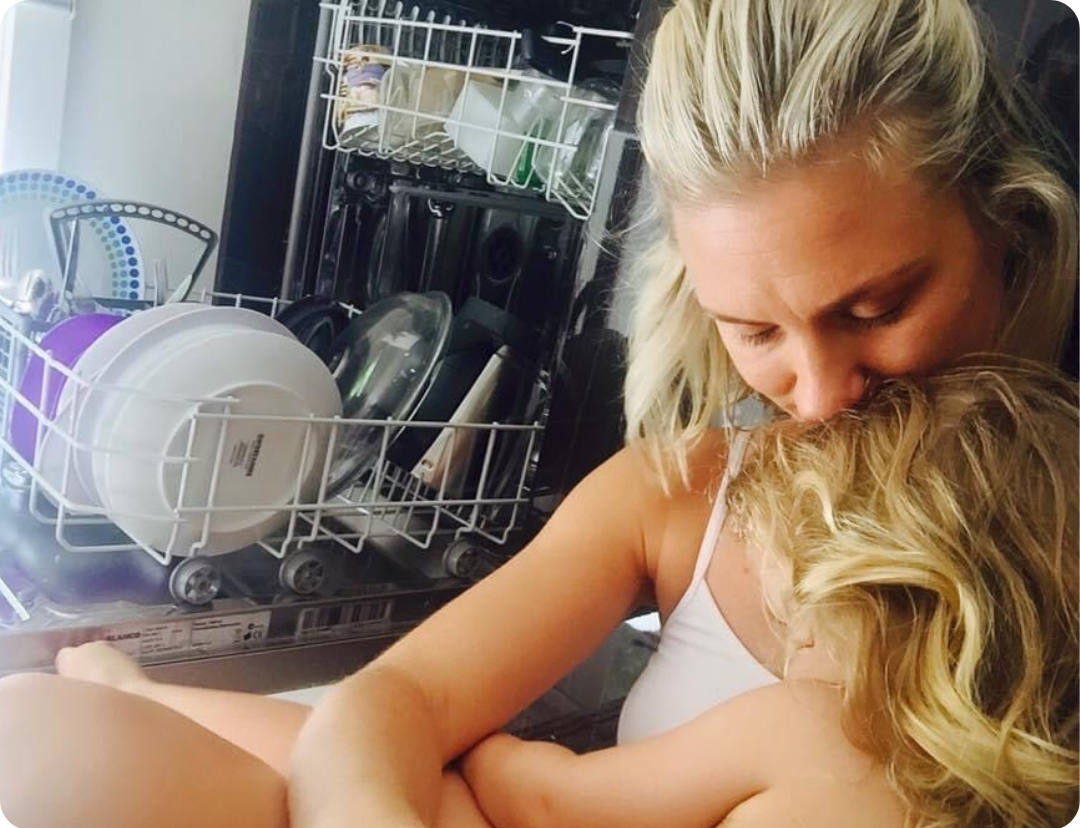
I knew the pattern from somewhere. My mother carried a similar anger, and I had quietly picked it up long before I understood it was something I could change.
What I could not see at the time was that the anger had a breathing pattern underneath it. Holding my breath. Bracing through the belly like I was ready for a fight. Big, forced exhales.
This is what I would later learn to call overbreathing.
It brought a flash of relief with a sense of control in the moment, so my body kept reaching for it. The relief was real, but it came at a cost I could not yet feel.
The breathing was not a side effect of the anger... It was part of how the anger ran. And it had been running for years, quietly setting my body's chemistry to a level it had come to treat as normal.
It took me a long time, and a lot of learning, to understand what was actually happening in my body during those moments.
So what is overbreathing, and how does it affect the way we feel?
That question sits at the base of this week's newsletter.
Grateful to have you part of this community,

Featured Insight of the Week...
What is overbreathing, and how does it affect the body?
Overbreathing is exactly what it sounds like.
Breathing more than the body actually needs.
It does not always look dramatic.
It is rarely the gasping kind we picture.
Most of the time it is quiet.
A little too much, a little too often,
running under everything else without notice.
Holding and then over-correcting. Frequent sighing.
Big breaths that feel like relief.
Here is the part that surprises most people.
The problem with overbreathing is not too much oxygen.
It is too little carbon dioxide.
CO2 is not just waste.
The body depends on it to release oxygen to the tissues
and to keep blood pH in balance.
When we breathe more than we need,
we offload CO2 faster than the body produces it,
and the level drops. That drop is what produces the sensations,
the lightheadedness, the tingling, the racing heart, the fog.
And the body adapts.
This is the part that makes overbreathing so hard to spot from the inside.
When a lower CO2 level is held long enough,
the body stops treating it as a problem.
The body has come to prefer a lower CO2 level than is healthy,
and it keeps itself there through unconscious patterns.
Everything starts to feel normal,
even while the chemistry is running off balance.
That is why overbreathing so often hides in plain sight.
It does not feel like overbreathing. It feels like life...
We go into the full background of breathing and
behavioral science on our latest blog,
including what CO2 actually does in the body,
and why the body comes to defend a level that is working against it.
This week in Behavioral Breathwork
A conversation opened up in our group this week that gets to the heart of the work.
It started with a question about intervening.
When something stressful hits and the urge is to step in and do something with the breath, is that helping, or is it getting in the way?
The distinction we have discovered is this...
There is intervening to control, holding the breath, counting it, forcing it into a shape, which can quietly reinforce the very pattern a person is trying to get relief from...
And there is intervening to create the conditions for the body to regulate on its own, stepping away from a stressful situation and letting the breath do what it needs to without steering it.
One overrides the breathing reflex.
The other gets out of its way...
One participant shared this:
"Following a reflexive breath practice, I felt more patient with myself and others. I've been sleeping better, and my energy during the day has moments of recovery rather than giving out at 2-3:00 pm."
This is the long-term effect of regulation beginning to show. As a stressful breathing pattern releases, the body starts to operate more efficiently.
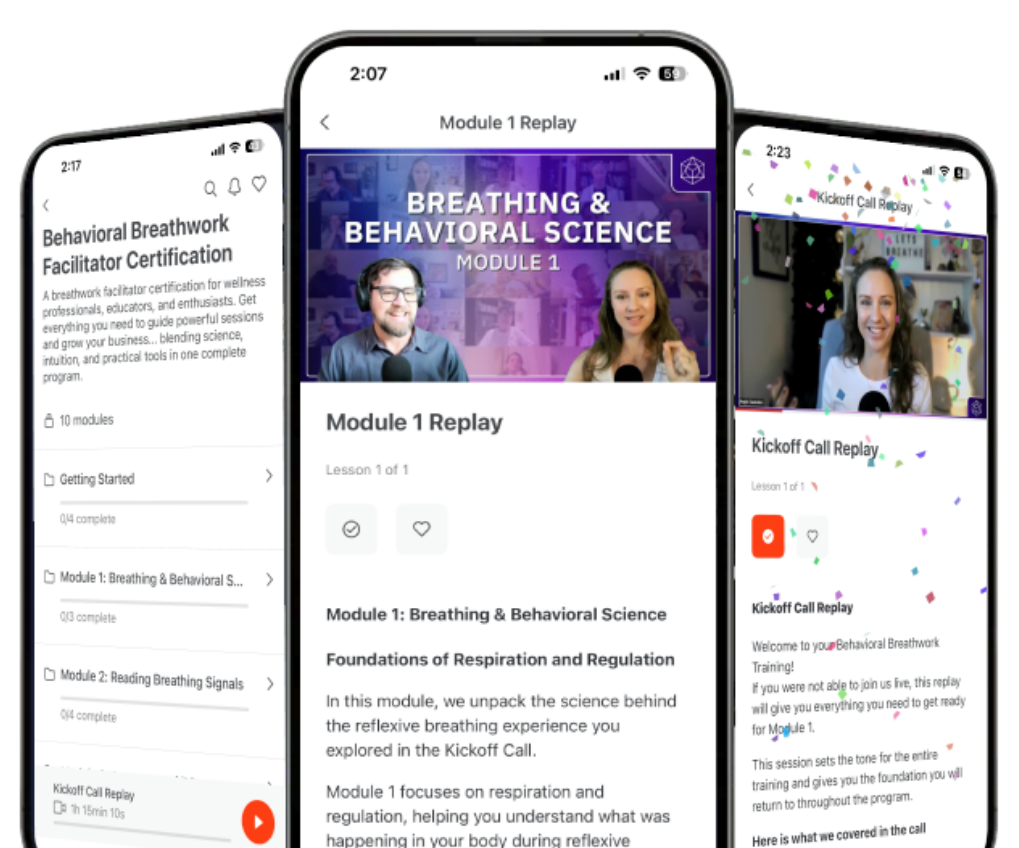
If you'd still like to join us for this round, the doors are technically closed but we'd still love to welcome you in.
NEW HERE?
Begin your personal journey
🔗 Start the Free 7-Day Experience
If you’d prefer to begin with a simple personal experience, you can start with our free 7-Day Reflexive Breathing Experience.
It’s a short guided exploration to help you notice how your own breathing patterns respond to stress and settling.
KEYNOTES, WORKSHOPS, & PODCASTS
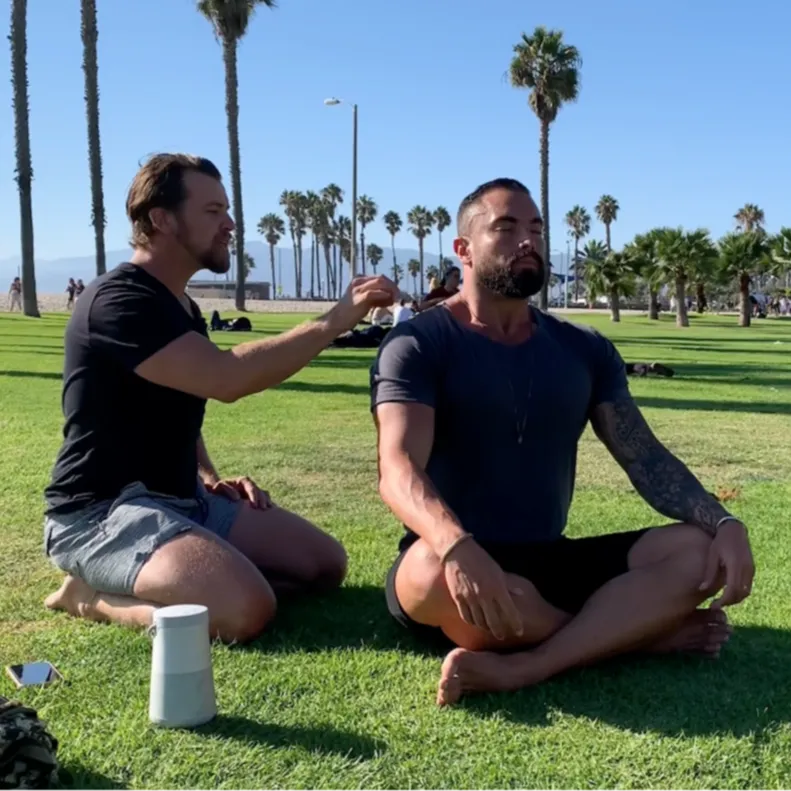
🔗 Book Shane and/or Angie For Your Next Event
We offer workplace keynotes and trainings grounded in behavioral science and breathwork, helping teams understand how stress develops as a learned response and build practical regulation skills they can use immediately.


Missed a Newsletter? Catch Up Anytime!
If you’ve recently joined or just want to revisit past insights, tools, and breathing practices... we’ve got you covered!
👉 Browse All Our Previous Newsletters Here


Responses