
This week I had another long conversation with Dr. Peter Litchfield about behavior change.
He’s spent over sixty years studying behavior. Psychology. Physiology. Breathing. Human patterns.

Why do we know what to do… and still not do it?
I loved his answer as always and had to share it with you...
He said, you have to want to do it.
Not in a motivational way.
But in a meaningful way that you enjoy.
It’s not something you go looking for...
It’s something you create…
You have to create the thing you enjoy… create the meaning behind it.
And something about that felt different to me.
Because most of us are either searching for something to help them or waiting for the right time to feel ready.
Waiting to feel motivated to be disciplined.
But maybe that’s not how change actually works…
We deep dive into this in this weeks newsletter
That conversation sits at the center of this week’s newsletter.
Grateful to have you a part of our community,


Featured Insight of the Week...
Why Do We Know What To Do For Our Health, But Still Don’t Do It?
Here’s what we’re seeing more clearly.
We don’t always change because we “have to.”
We change when we want to and when it feels meaningful.
From a behavioral science perspective, every habit has:
• A trigger
• A reinforcement
• A purpose
Even the habits we say we want to change.
If you are not strength training, that behavior is solving something.
If you are avoiding cardio, that behavior is solving something.
If you are stuck in old routines, that behavior is solving something.
It’s not a discipline issue.
It’s a learning issue.
This is why we often begin with breathing behaviors.
Breathing is one of the easiest behaviors to observe and shift because the feedback is immediate.
You slow it down.
Your physiology responds.
You speed it up.
Your physiology responds.
When someone experiences that in real time, something shifts.
They move from being a spectator of their habits to becoming the author of them.
And once someone learns how to change one behavior, they begin to trust that other behaviors can change too.
Health doesn’t improve because we try harder.
It improves when we choose a behavior that becomes personally meaningful enough to create.
I expanded on this more deeply in this week’s blog if you’d like to explore the behavioral science behind it.
This week in Behavioral Breathwork
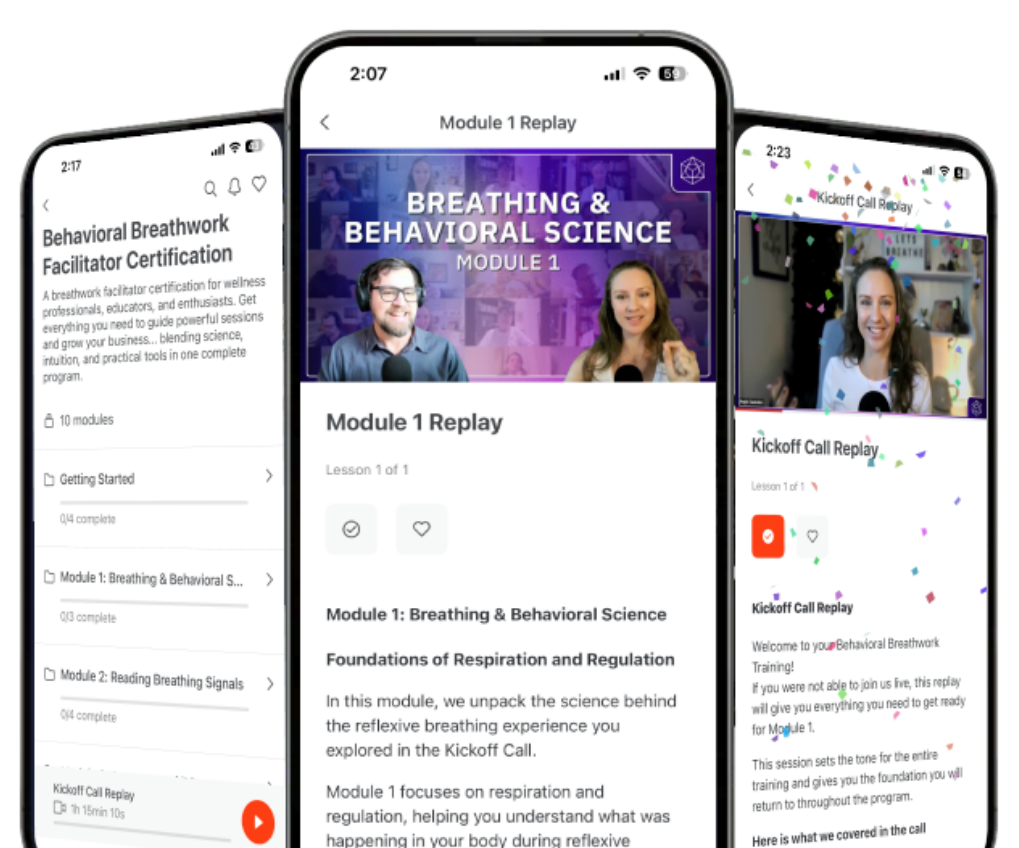
This week inside our Behavioral Breathwork Facilitator Training, we focused on what happens after you feel confident facilitating.
The next challenge is explaining what you do.
This happened to us too.
We would overexplain.
Overanalyze.
Sometimes even downplay our work because we couldn’t clearly put it into words.
The real issue was clarity.
We weren’t clear about who we actually helped, the problem we solved, or the framework we used to do it.
And when you’re unclear, people don’t get it.
So this week we gave our facilitators a simple blueprint:
How to define their ideal client.
How to create a brand voice guide so their content sounds like them.
And how to write one sentence that says it all.
Who you help.
How you help them.
The change that happens.
And the framework behind it.
When that sentence becomes clear, conversations become easier.
If you’re already working with clients and feel this gap too, our Facilitator Certification is available on demand.
Because knowing what you do is one thing.
Being able to say it simply is another.
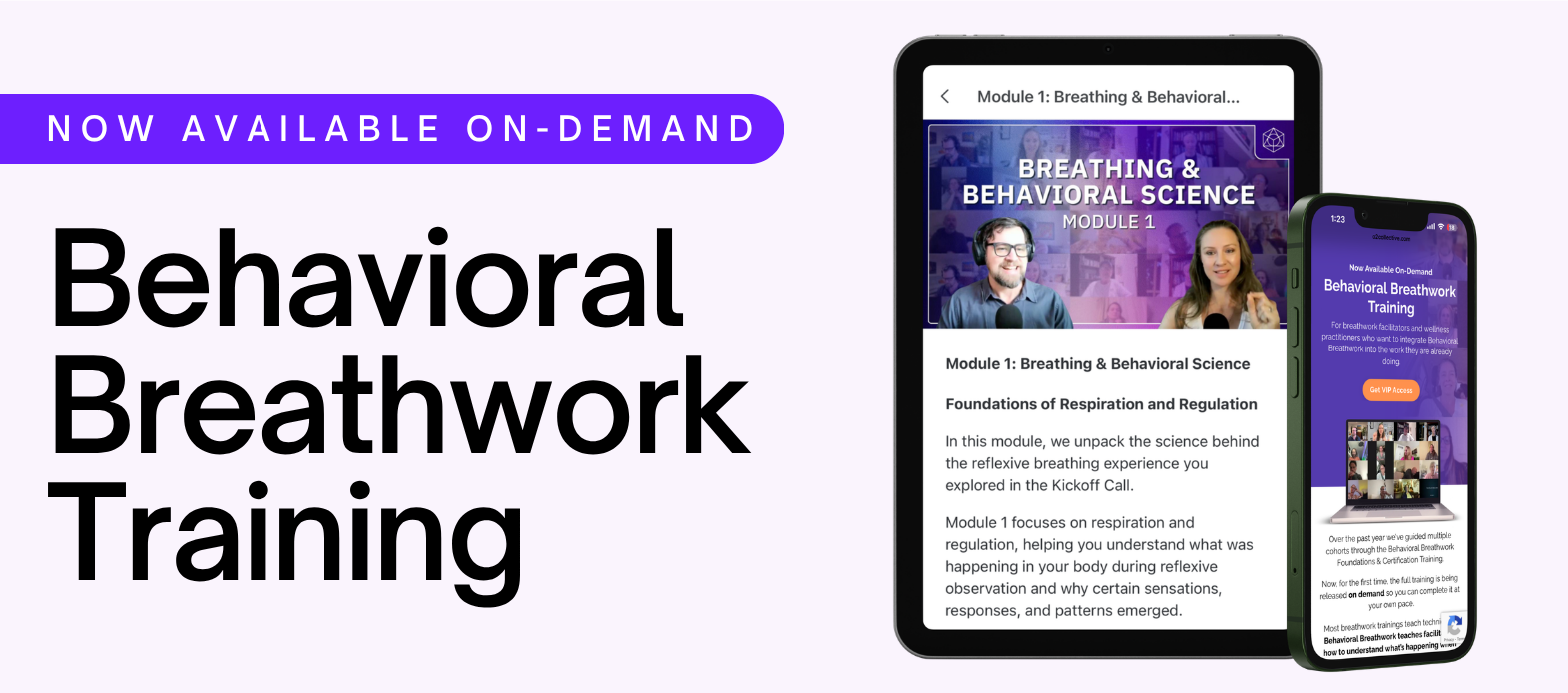
If this conversation speaks to you,
explore our Behavioral Breathwork Training!
We teach the behavioral science behind breathing as a learned experience so you can understand how to work with it and regulate through real life.
NEW HERE?
Begin your personal journey
🔗 Start the Free 7-Day Experience
If you’d prefer to begin with a simple personal experience, you can start with our free 7-Day Reflexive Breathing Experience.
It’s a short guided exploration to help you notice how your own breathing patterns respond to stress and settling.
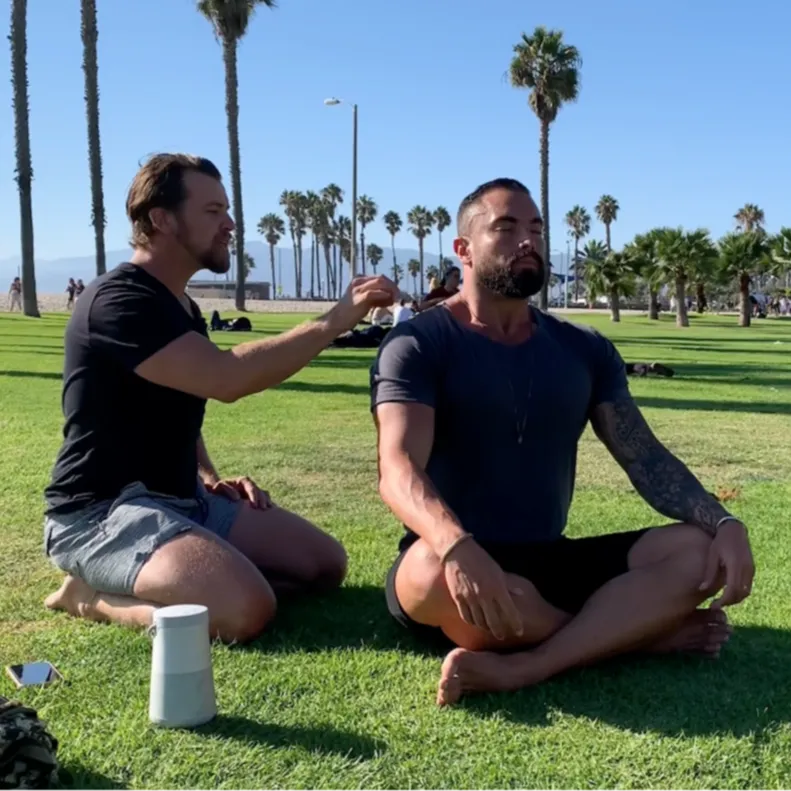
KEYNOTES, WORKSHOPS, & PODCASTS
🔗 Book Shane and/or Angie For Your Next Event
We offer workplace keynotes and trainings grounded in behavioral science and breathwork, helping teams understand how stress develops as a learned response and build practical regulation skills they can use immediately.


Missed a Newsletter? Catch Up Anytime!
If you’ve recently joined or just want to revisit past insights, tools, and breathing practices... we’ve got you covered!
👉 Browse All Our Previous Newsletters Here


Responses