
This week I had an email exchange with one of our facilitator students that got me thinking again about something we see often.
She had been reflecting on different breathing practices and asked a great question about overriding the body and the breath.
She mentioned freediving, ancient yogic breathing, and the way humans have adapted breathing in extreme environments.
Her question was essentially this:
When we practice breathing techniques, are we trying to control the breath for a reason, or are we learning how to work with the intelligence of the body?
That question opens a much bigger conversation.
It also sent me down a bit of a rabbit hole looking at freediving research again.
Freediving is fascinating because it shows just how adaptable the body can be. Divers deliberately train breath holding. They learn to stay calm while carbon dioxide rises and oxygen drops.
Over time the body adapts to those demands.
But that is exactly what caught my attention…
Some research suggests that repeated breath-hold training can blunt or alter chemoreflex sensitivity in some divers.
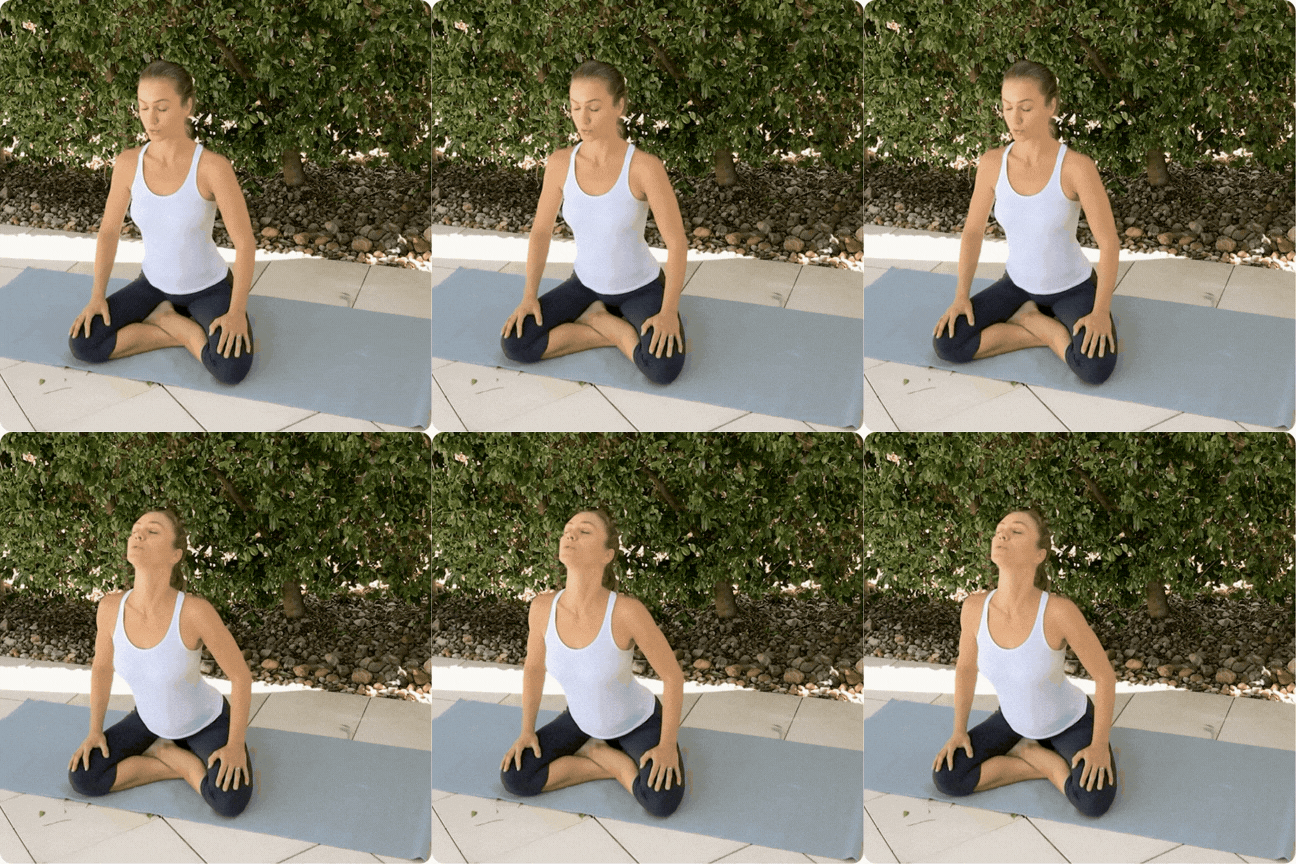
In simple terms, the body can become less sensitive to carbon dioxide levels over time.
And that matters because carbon dioxide and the breathing reflex play an important role in how the body regulates internal stress.
So an adaptation that is useful underwater is not automatically useful for everyday life.
What works in an extreme environment does not always serve the body in daily regulation.
Freediving is an extreme example, but it raises an important question for breathwork.
If we keep training breathing through techniques and adaptations, what is the body learning outside those practices?
Sometimes we become so focused on techniques that we stop noticing what the body is already doing.
That sits right at the center of this week’s newsletter:
Is breathwork really about technique?
Or is it about changing the relationship we have with our breathing?


Featured Insight of the Week...
What If Breathwork Isn’t Really About Techniques?
Many people assume breathwork is about learning the right technique
for the right outcome.
Slow breathing to relax.
Fast breathing to energize.
Breath holds to build resilience.
Technique can influence the system.
But it is only one part of the story.
Breathing is primarily reflexive.
The brainstem is constantly monitoring chemistry and adjusting
breathing automatically to maintain balance.
So when someone feels an uncomfortable sensation in the body,
the instinct is often to step in and control the breath.
Air hunger.
Anxiety.
Tension.
The response is usually the same.
Try to control the breath.
But the first response the body has to stress is not behavioral...
It is reflexive.
Think about stepping into an ice bath.
The body gasps. Breathing speeds up. The nervous system reacts.
That is physiology doing exactly what it is designed to do.
What happens next is where behavior begins.
Some people panic and start trying to get control by forcing the breath.
Others, trained in reflexive breathing, allow the initial reflex to happen,
stay aware, and give the body enough space to regulate on its own.
Usually faster than when the person tries to force control.
That is why reflexive breathing matters.
Not as a technique.
As a reference point.
Breathing is both reflexive and behavioral.
The reflex maintains chemistry.
Behavior determines how we interact with that system.
Once someone recognizes that relationship, something important happens…
The body starts doing what it already knows how to do.
Breathwork is not always about getting better at controlling the breath.
Often it is about noticing when control is unnecessary.
If you’re curious how the breathing reflex regulates chemistry
and why techniques sometimes interfere with that process,
I unpack it in more detail here.
This week in Behavioral Breathwork
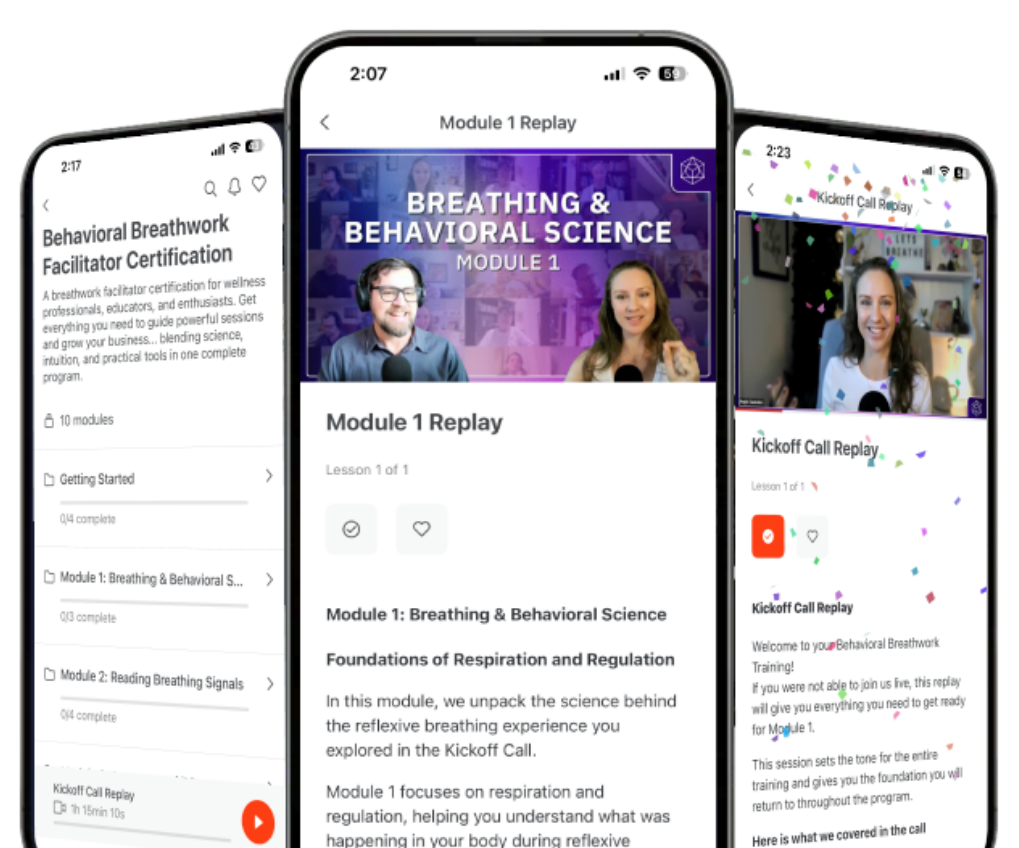
This week we wrapped up our latest Behavioral Breathwork Facilitator Certification.
Students first experience Behavioral Breathwork themselves, learning to recognize how stress, habit, and physiology interact with the breathing reflex.
From there we move into the practical side of the work. Blueprints for one-to-one client sessions, frameworks for structured group sessions, and the space for facilitators to develop their own voice and method within the work.
Watching facilitators grow into their confidence and begin sharing this work in their own communities is one of the most rewarding parts of what we do.
This week we received an email from one of our graduates from last year who finally offered his first breathwork session to a small group.
He admitted it took longer than expected to take the step. Anxiety and imposter syndrome kept finding reasons to delay.
Eventually he set a date and ran the session with a small group who had never experienced breathwork before.
The session went far better than he expected.
After the session he wrote:
“Your training and the support you offered throughout the course made this possible. It gave me the structure and confidence to hold the space safely.”
Moments like this remind us why we teach this work….
It is the difference facilitators begin making for people in their own communities.
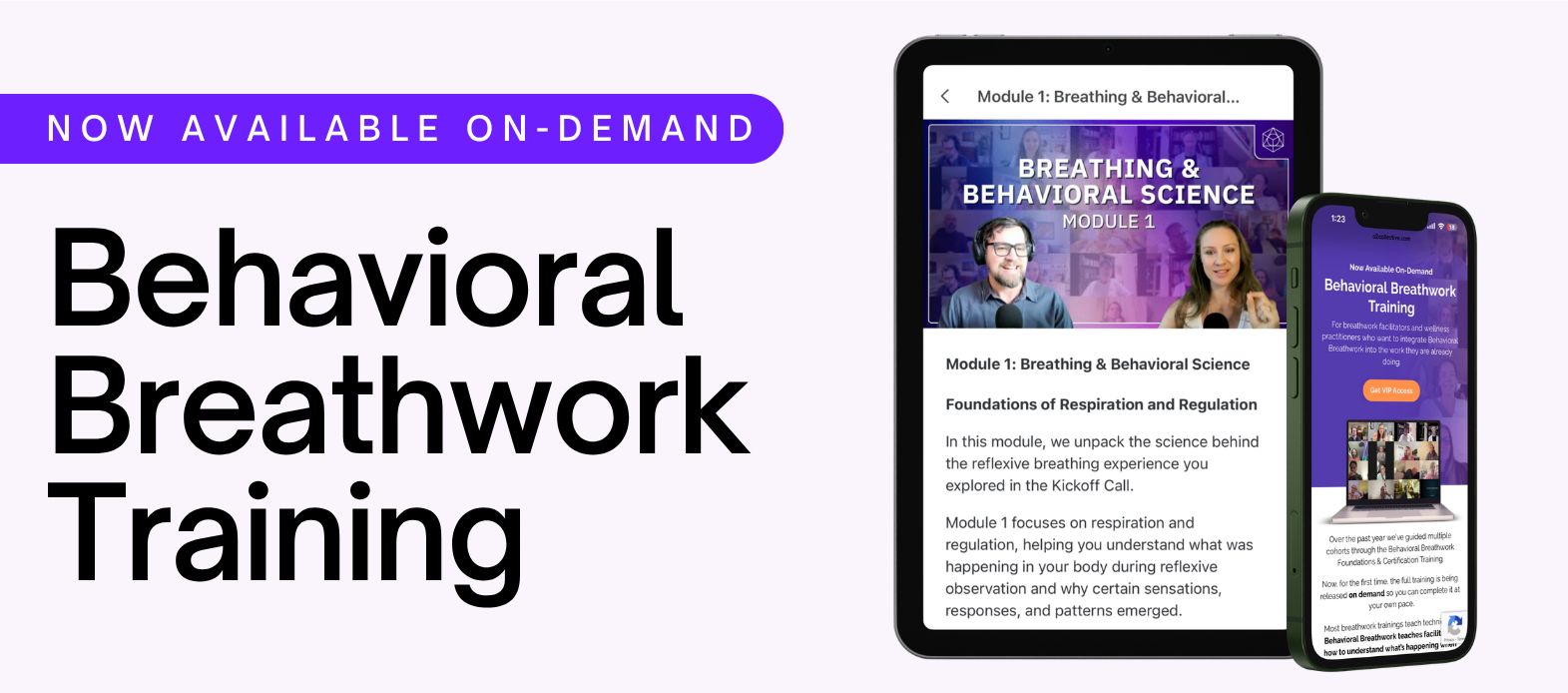
If this conversation speaks to you,
explore our Behavioral Breathwork Training!
We teach the behavioral science behind breathing as a learned experience so you can understand how to work with it and regulate through real life.
NEW HERE?
Begin your personal journey
🔗 Start the Free 7-Day Experience
If you’d prefer to begin with a simple personal experience, you can start with our free 7-Day Reflexive Breathing Experience.
It’s a short guided exploration to help you notice how your own breathing patterns respond to stress and settling.
KEYNOTES, WORKSHOPS, & PODCASTS
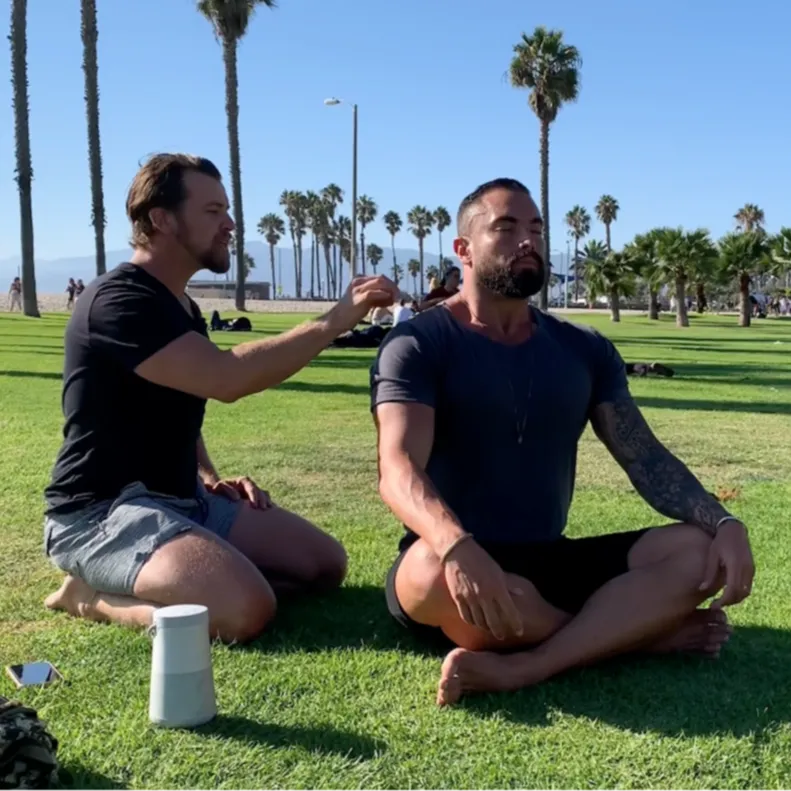
🔗 Book Shane and/or Angie For Your Next Event
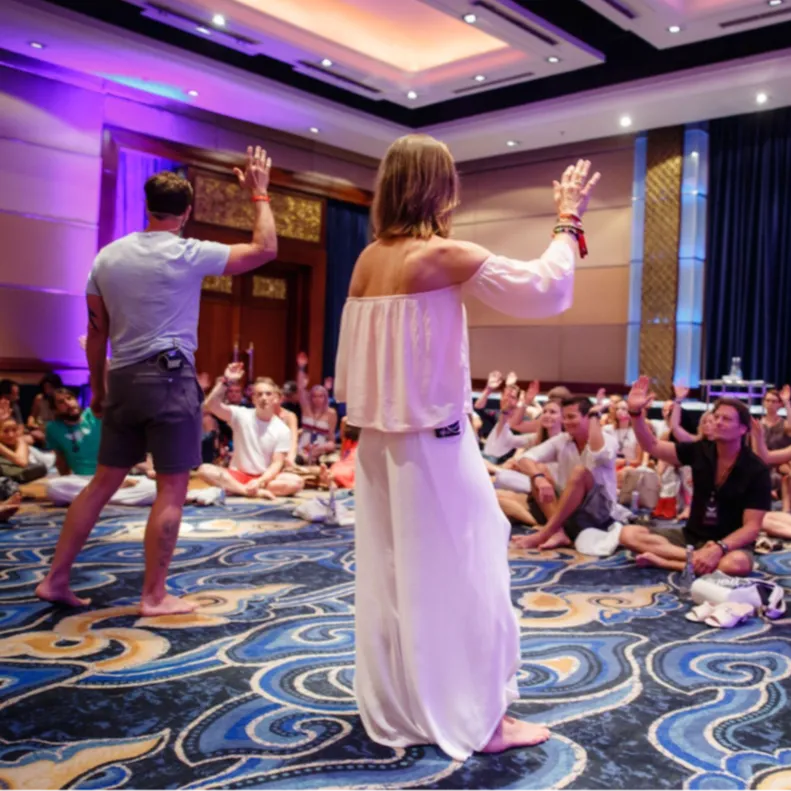
We offer workplace keynotes and trainings grounded in behavioral science and breathwork, helping teams understand how stress develops as a learned response and build practical regulation skills they can use immediately.

Missed a Newsletter? Catch Up Anytime!
If you’ve recently joined or just want to revisit past insights, tools, and breathing practices... we’ve got you covered!
👉 Browse All Our Previous Newsletters Here


Responses