
We Were in the Alkaline Club
Before we knew what we know now, Shane and I were all in on the alkaline lifestyle.
Green drinks every morning. Alkaline water. Lemon water. Apple cider vinegar shots. Magnesium supplements. Turmeric everything.
Grateful to have you part of our community.
We were convinced that if we could just get our pH right, the body would be in balance.
And we were not alone. The entire wellness world was saying the same thing.
What we didn't know is that how you breathe affects your body's chemistry more immediately than anything you eat or drink.
And if your breathing is working against you, it doesn't matter how clean your diet is.
It wasn't until we did a deep dive into Dr. Peter Litchfield's work that this really clicked for us.
The more I learn about the body, the more in awe I am of it.
It is such a beautifully designed system.
And finding balance in it can be so much simpler than we have been taught.
That realization changed how we look at everything.
And it showed up most powerfully in the story of one of our clients.
Annmarie came to us with 30 years of chronic pain.
A car accident at 17 had left her with neck and back pain that she never fully recovered from. On top of that, she had lived with daily gut pain for over 20 years.
Headaches. Stiffness. Sciatic pain. A bulging disc. Brain fog. Fatigue.
She described her average day as a 6 or 7 out of 10 on the pain scale.
Every day. For decades.
She had tried everything. Physiotherapy. Osteotherapy. Chiropractic. Clinical Pilates. Naturopaths. Reiki. Energetic development. Spinal flow. None of it was a waste. All of it helped to some degree. But nothing ever fully resolved what was going on.
And here is the thing. She didn't come to us for pain.
She came to us because her nervous system was fried.
She had shingles three times in ten months. She wanted help with her anxiety, her stress response, and getting out of her head and into her body.

So she started a daily breathing practice. Twenty minutes to an hour, every morning, even through Melbourne's longest COVID lockdown while homeschooling two girls and navigating a crisis with her eldest daughter's school.
About four months in, something happened that she wasn't expecting.
She woke up one morning and got out of bed without groaning.
Then the next day. And the next.
The spots on her body that had always been sore when she touched them weren't sore anymore. She was rolling over in bed without stiffness. Her gut had settled. The pain that had been a 6 or 7 every single day for 30 years was quietly dissolving.
And then there was a beautiful moment with her husband.
He tackled her playfully, the way he always did.
And for the first time in years, instead of tensing up and saying "don't, you'll hurt my back," she wrestled back.
She was laughing. She was playful.
She said it was a small thing. But it changed everything.
What Annmarie also discovered was something we see often. She realized she had been holding her breath, actually controlling her breath, for decades because of the pain.
And the pain was reinforcing the controlled breath holding, which was reinforcing the pain.
A loop that had been running quietly underneath everything for 30 years.
She didn't fix her pain with a breathing technique.
She started paying attention to how she was breathing, and her body did the rest.
That sits right at the center of this week's newsletter.
Grateful to have you a part of our community.


Featured Insight of the Week...
How exactly does breathing affect inflammation?
Most people think of inflammation as a diet problem.
Or a stress problem. Or a sleep problem.
And all of those matter.
But there is a piece that almost nobody talks about…
The body has a built-in system for managing acidity.
Every day, the body produces acids just from normal activity.
Moving. Digesting food. Breaking down protein.
This is completely normal.
The body handles it through a buffering system.
Think of it like a neutralizer that keeps everything balanced.
That buffering system is controlled by two things:
your kidneys and your breathing.
The kidneys work slowly.
They adjust over hours and days.
Breathing works fast.
It adjusts the chemistry breath to breath, in real time.
So here is what happens when someone overbreathes habitually,
even subtly, without knowing it.
The chemistry shifts.
The body compensates by using up its acid buffering reserves.
Over time, those reserves get depleted.
And when that happens,
the body can no longer neutralize the everyday acids it produces.
Tissues end up sitting in an environment that is more acidic than they should be.
That is a pro-inflammatory state.
Created by a breathing habit.
And it goes further than just the buffering system.
When breathing is dysfunctional,
oxygen delivery to tissues is impaired.
Even though there is plenty of oxygen in the blood,
it cannot get released properly into the tissues that need it.
Tissues that are low on oxygen produce more acid.
The cycle builds.
The body also produces less of its own anti-inflammatory signals
when breathing is chronically off balance.
Blood vessels tighten.
Blood flow to organs that clear inflammation is reduced.
The body's natural antioxidant capacity drops.
All of this from a breathing habit.
And here is the part that really matters…
This is not something that takes weeks or months to show up.
Dr. Peter Litchfield is clear about this.
The chemistry shifts with every breath.
In his words:
"It's not like it takes months or weeks or hours. This is now."
So someone can be eating well. Sleeping well.
Taking all the right supplements.
Doing everything they have been told to do.
And still be running a pro-inflammatory chemistry
through their body all day, every day,
because of how they breathe.
The body already has the system to manage inflammation.
It just needs the breathing to support it
rather than work against it.
If you want to understand the science behind how this works,
I go much deeper in this week's blog.
This week in Behavioral Breathwork
Last week we hosted our free webinar, When Breathwork Backfires: An Introduction to Behavioral Breathwork.
If you missed it, this is the last chance to catch the replay.
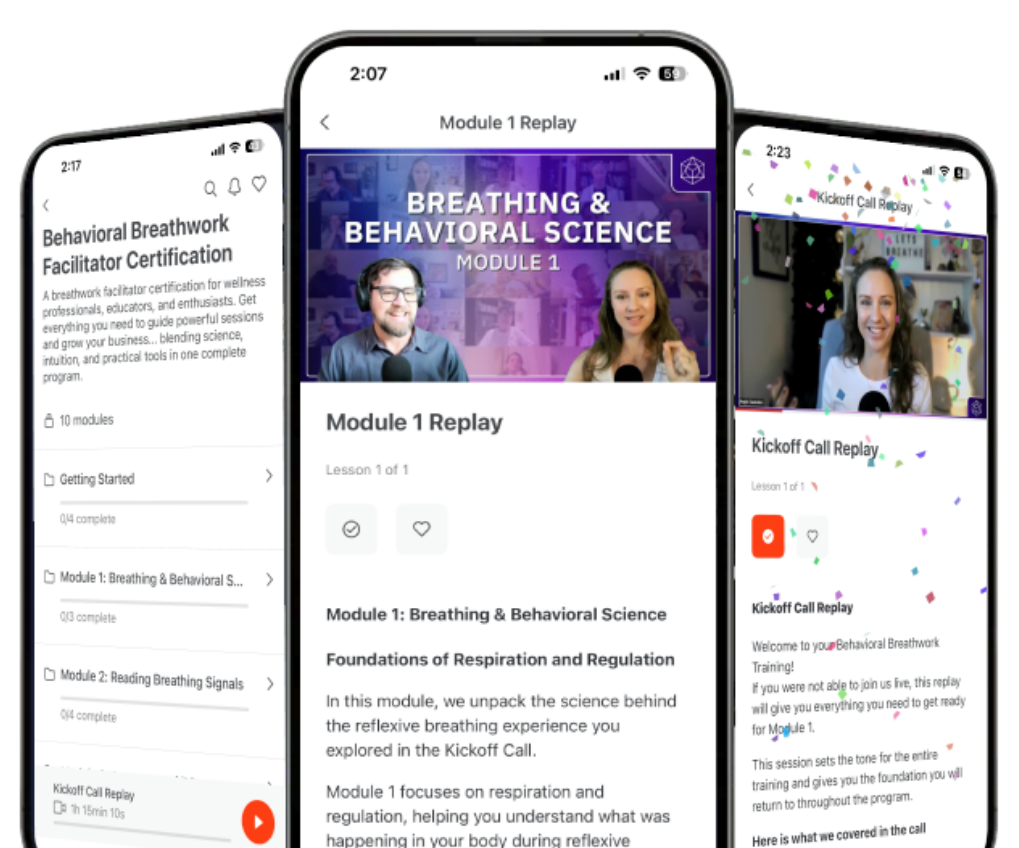
Doors are closing today on Behavioral Breathwork Training LIVE.
This is the only live cohort we are running this year. If you have been considering integrating behavioral breathing science into what you are already doing, whether that is breathwork, health, wellness, or any field where you support people through their nervous systems, today is the last day to join us.
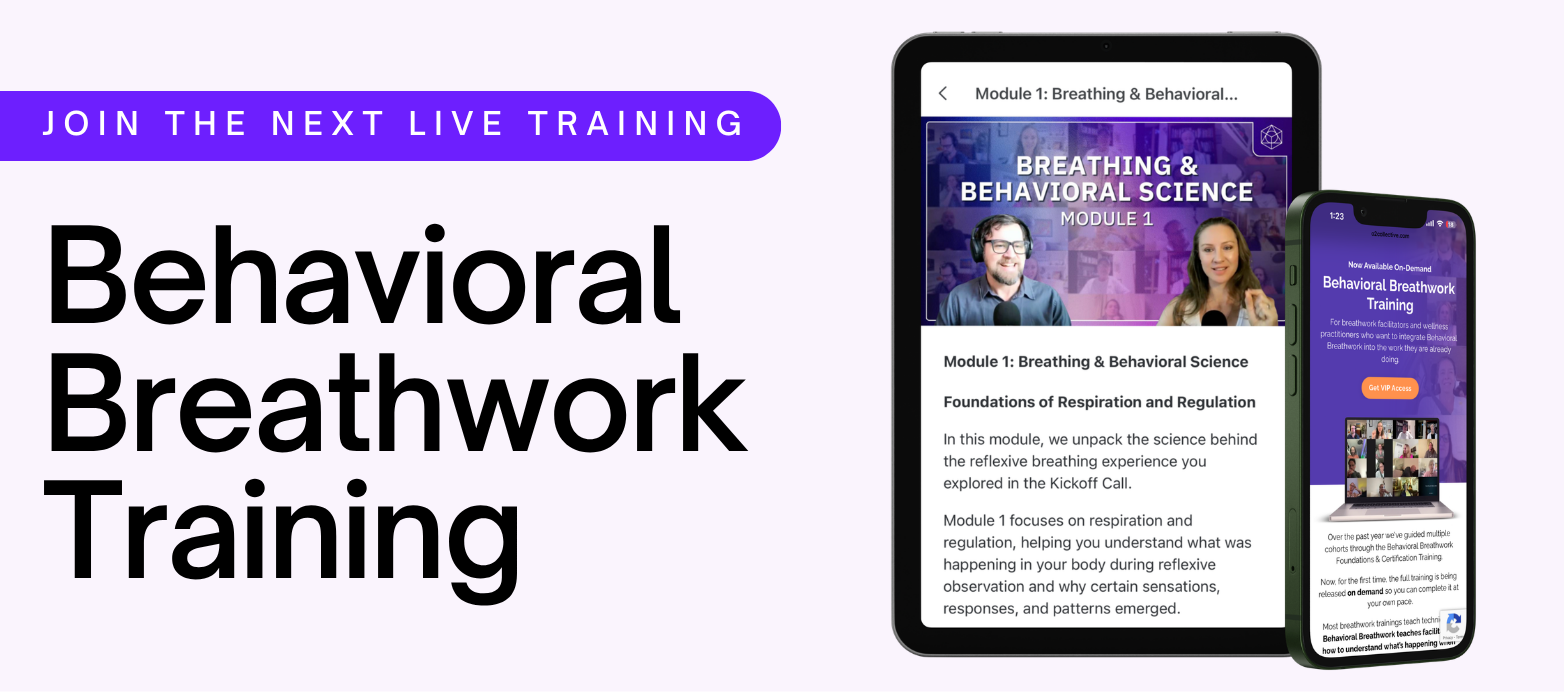
Our kickoff call is tomorrow.
We are looking forward to connecting with those that have already joined us!
If you are interested in this type of training, there is still time to join us and be on the call tomorrow when we kick things off.
NEW HERE?
Begin your personal journey
🔗 Start the Free 7-Day Experience
If you’d prefer to begin with a simple personal experience, you can start with our free 7-Day Reflexive Breathing Experience.
It’s a short guided exploration to help you notice how your own breathing patterns respond to stress and settling.
KEYNOTES, WORKSHOPS, & PODCASTS
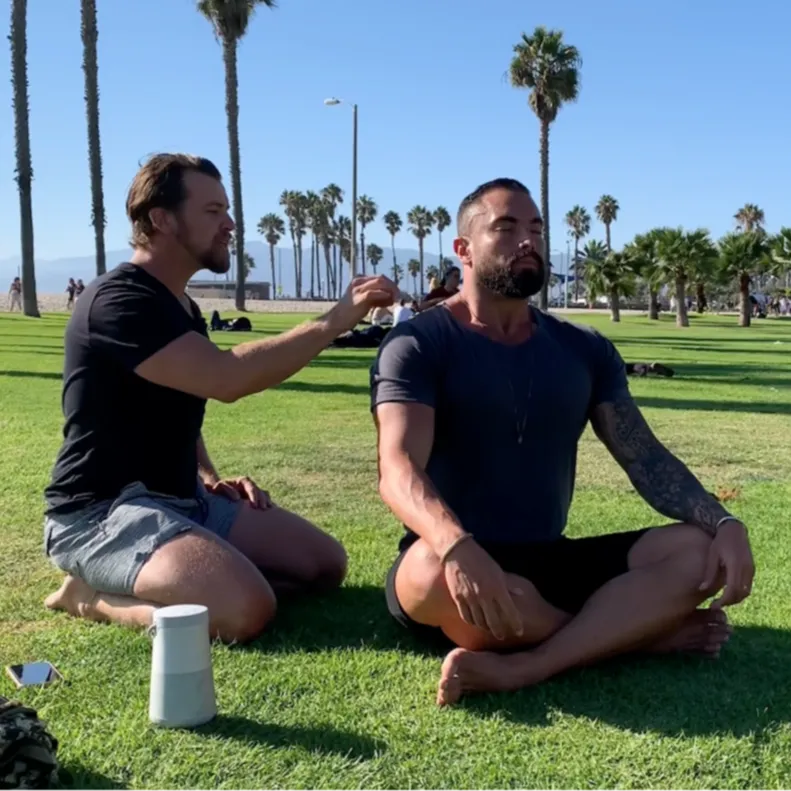
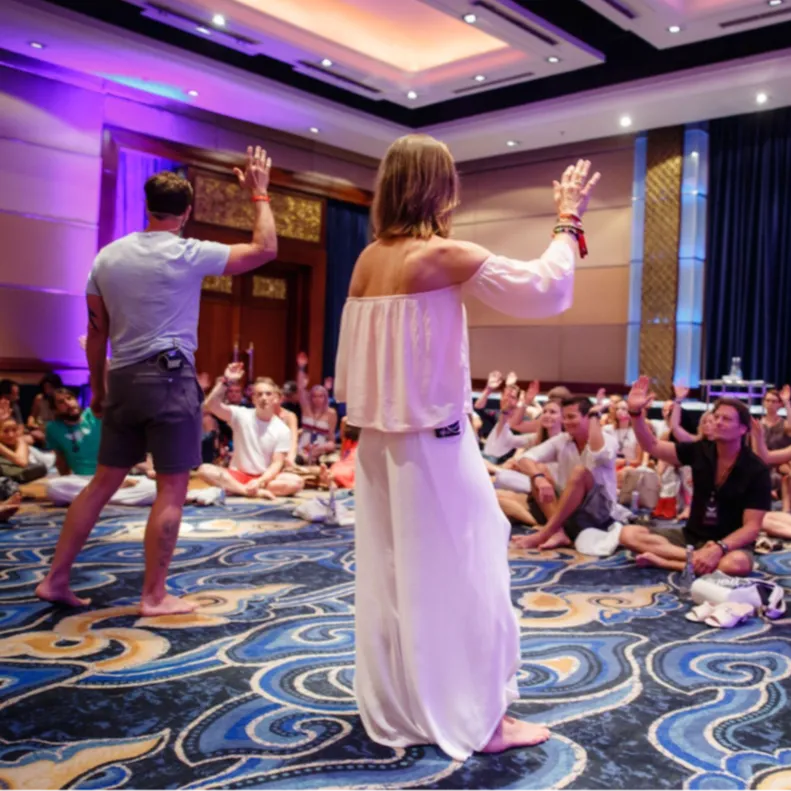
🔗 Book Shane and/or Angie For Your Next Event
We offer workplace keynotes and trainings grounded in behavioral science and breathwork, helping teams understand how stress develops as a learned response and build practical regulation skills they can use immediately.

Missed a Newsletter? Catch Up Anytime!
If you’ve recently joined or just want to revisit past insights, tools, and breathing practices... we’ve got you covered!
👉 Browse All Our Previous Newsletters Here


Responses